
Building a Sense of Belonging: The Most Overlooked Driver of Member Retention
People Don't Leave Communities They Feel Connected To
Retention is one of the most discussed topics in club management, yet many conversations focus on the wrong things. When participation declines or memberships aren't renewed, organizations often look first at pricing, facilities, amenities, programming, or competition from nearby clubs. Those factors certainly matter, but they rarely tell the whole story.
People are surprisingly willing to overlook imperfections when they feel connected to a community. They will drive farther, pay more, tolerate aging facilities, and work around scheduling inconveniences if they believe they're part of something meaningful. On the other hand, even the nicest facility can struggle with retention if members never develop a sense of belonging.
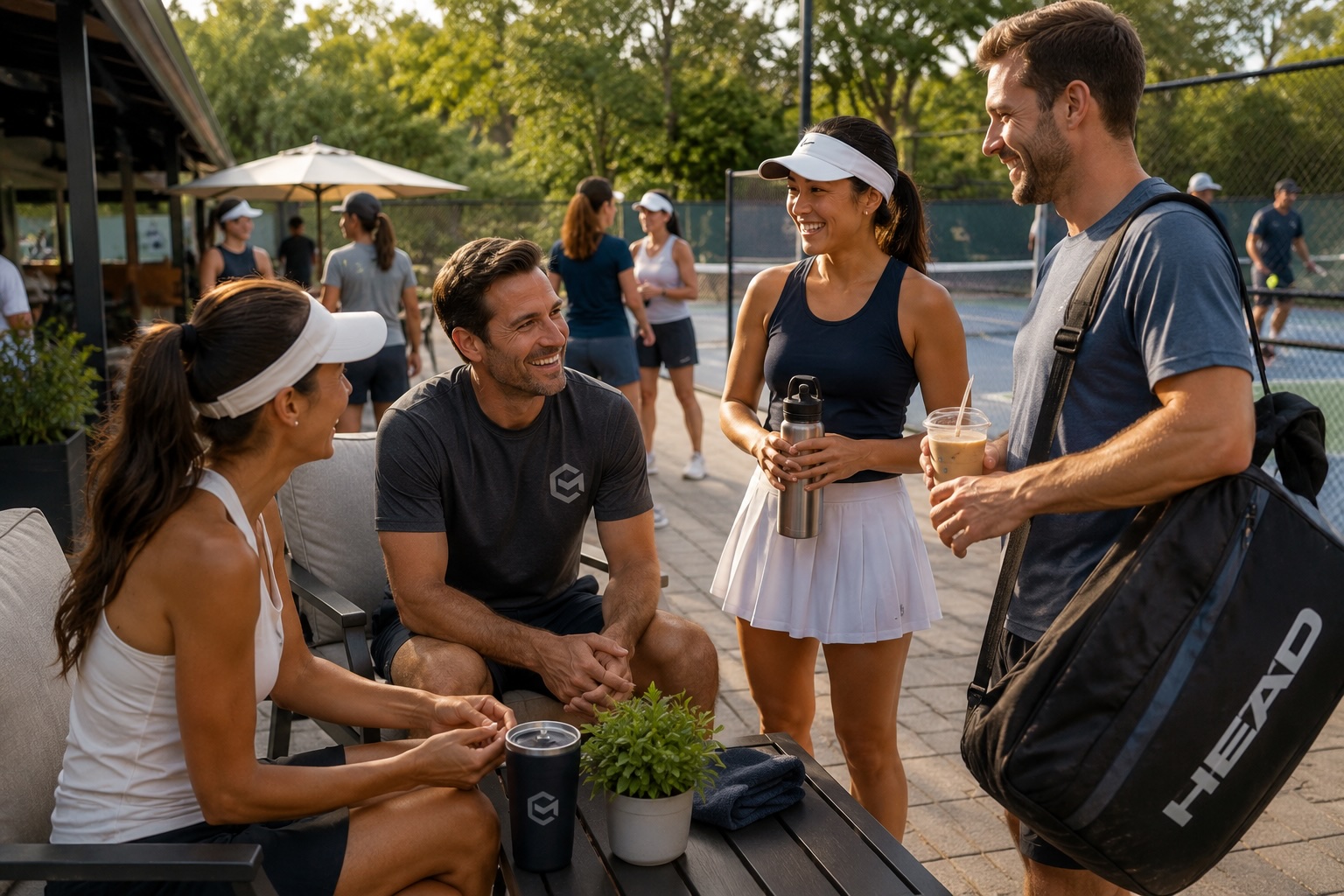
This is particularly true in racquet sports. While tennis, pickleball, and padel are all centered around courts and competition, what keeps people engaged over time is often much more human. People return because they know other members. They have regular playing partners. They recognize familiar faces. They feel welcomed, valued, and included.
In other words, they belong.
Participation and Belonging Are Not the Same Thing
One of the easiest mistakes organizations can make is assuming participation automatically creates connection. It doesn't. A member may reserve courts every week and still feel disconnected from the broader community. They may attend lessons, play matches, and use the facilities regularly without ever developing meaningful relationships. While participation is important, belonging operates at a deeper level.
Belonging occurs when people begin identifying with the community itself. Instead of simply using the club, they become part of it. They know other members by name. They look forward to seeing familiar faces. They volunteer, invite friends, join events, and contribute to the culture of the organization.
This distinction becomes important when evaluating retention. Members who are merely participating are often vulnerable to disruption. A schedule change, a new facility nearby, or a temporary loss of interest can cause their engagement to decline. Members who feel a genuine sense of belonging tend to remain connected because their relationship extends beyond the activity itself.
The community becomes part of their lifestyle.
The Best Clubs Create Relationships, Not Just Activities
Every club offers activities. Successful clubs create relationships.
Think about the members who seem most engaged. They are rarely the people who simply reserve courts. More often, they're league captains, regular participants in social events, organizers of group play, volunteers, ambassadors, and connectors. Their strongest attachment isn't necessarily to the facility. It's to the people. This is why social opportunities are so important, even for highly competitive players. While competition creates motivation, relationships create loyalty.
The strongest communities intentionally create opportunities for members to meet one another. Social mixers, clinics, leagues, tournaments, instructional programs, and community events all serve a larger purpose beyond participation. They help transform strangers into acquaintances and acquaintances into friends. Over time, those relationships become one of the most valuable assets a club possesses.
Why New Members Often Struggle to Connect
Belonging rarely happens automatically. For someone joining an established community, the experience can be intimidating. Existing members already have playing groups, friendships, routines, and inside knowledge. They know which events are worth attending, which groups fit their skill level, and who to contact when they need a partner. New members don't.
From the outside, a thriving community can actually feel difficult to enter. Opportunities exist everywhere, but the path toward meaningful participation is often unclear. As a result, some members spend months on the periphery, attending occasionally but never fully integrating.
This is one of the reasons onboarding plays such an important role in retention. The objective shouldn't simply be to explain how the club works. It should be to help people find their place within it. Communities that actively facilitate introductions, encourage participation, and connect members with others who share similar interests often see significantly higher engagement over time.
Communication Shapes Culture
Belonging is influenced by more than events and activities. Communication plays a major role as well. Members who feel informed tend to feel included. Members who consistently miss opportunities often feel disconnected. As organizations grow, maintaining this balance becomes increasingly difficult. Many communities communicate through a patchwork of emails, text messages, social media groups, bulletin boards, websites, and word-of-mouth conversations. Long-time members learn how to navigate these channels. Newer members often struggle.
The challenge isn't necessarily a lack of communication. It's a lack of connected communication.
People want to know what's happening, but they also want to understand how it relates to them. Which events fit their interests? Which groups are looking for players? Which opportunities align with their skill level? When communication helps answer those questions, engagement becomes easier and belonging develops faster.
Belonging Is a Competitive Advantage
As participation continues to grow across racquet sports, clubs and communities are investing heavily in facilities, programming, and technology. Those investments are important, but they are increasingly easier to replicate.
A sense of belonging is not. Facilities can be copied. Amenities can be matched. Pricing can be adjusted. Genuine community is much harder to recreate. This is why some organizations consistently outperform others despite having similar resources. Their advantage isn't necessarily better courts or larger budgets. Their advantage is culture. Members stay because they feel connected. They know people. They have established routines. They feel welcomed and appreciated. Leaving doesn't simply mean finding another place to play. It means leaving a community they've become part of. That emotional connection is one of the most powerful drivers of retention any organization can build.
Final Thoughts
The future of successful clubs, and racquet facilities won't be determined solely by participation rates or membership growth. It will be determined by how effectively they create communities where people want to stay. Belonging may be difficult to measure, but its impact is impossible to ignore. It influences participation, retention, referrals, volunteerism, and overall member satisfaction. More importantly, it transforms a facility into something much more valuable. A community. The organizations that understand this will continue to thrive because they'll be building more than programs and amenities. They'll be building relationships. And relationships are what keep people coming back.