
Junior Programs Are More Than a Pipeline for Future Members
The First Experience Can Shape a Lifetime of Participation
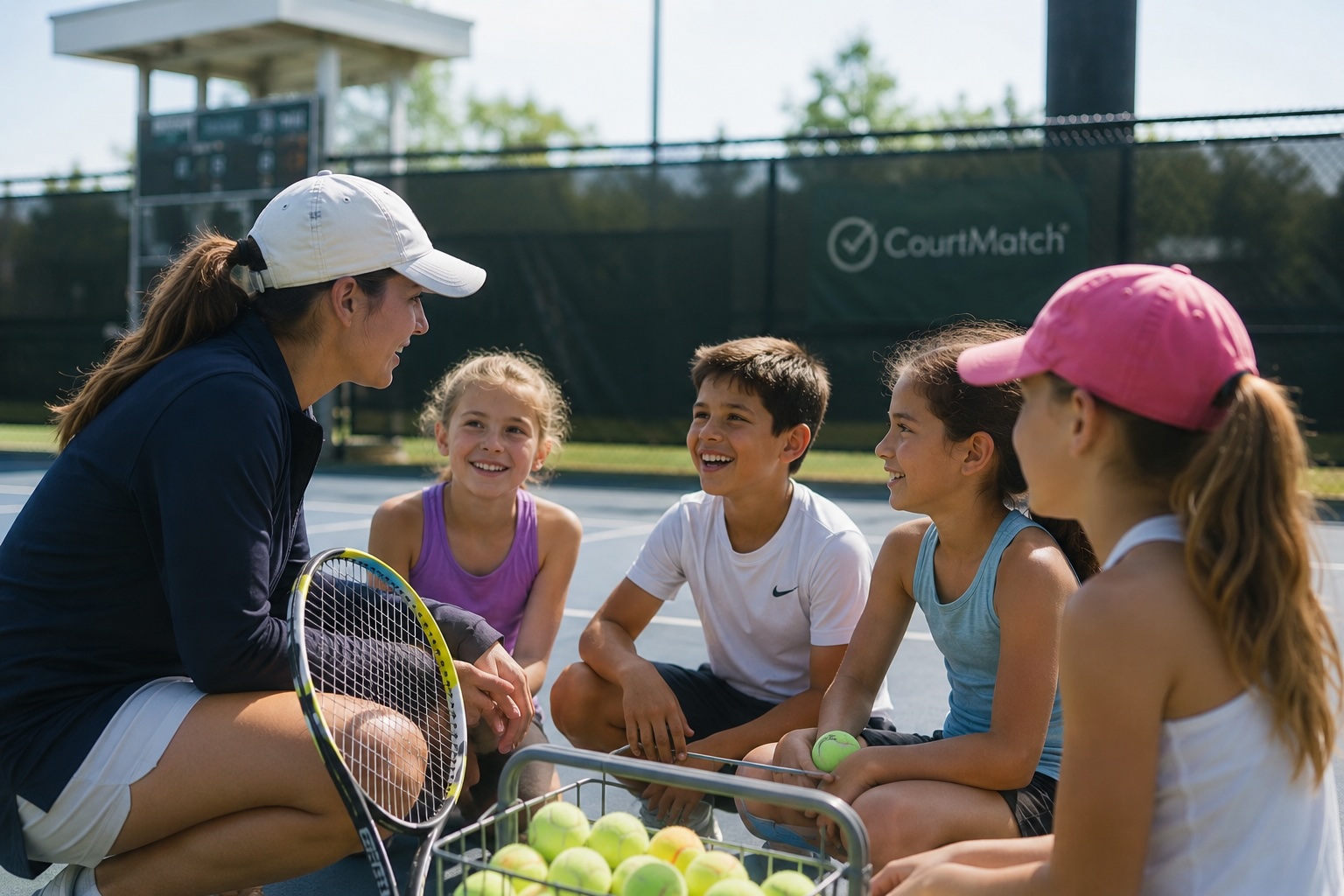
A child’s first experience with tennis, pickleball, or another racquet sport can have an outsized impact on whether they stay involved. If the experience feels intimidating, overly competitive, poorly organized, or disconnected from other kids their age, participation can end before it ever has a chance to become a habit. But when juniors feel welcomed, improve quickly, make friends, and look forward to coming back, the sport can become part of their identity for years. That makes junior programming much more important than filling afternoon court time or creating another source of lesson revenue. It is one of the clearest opportunities a club or community has to build long-term participation, strengthen family engagement, and create the next generation of players who will eventually become adult members, league participants, volunteers, coaches, and advocates for the sport.
Development Has to Include More Than Technique
Strong junior programs obviously need good instruction, but technical development alone is not enough. Kids are more likely to stay engaged when they feel like they are progressing and when that progress leads somewhere. A beginner clinic should create a natural path into more advanced instruction. Lessons should eventually lead to match play, team competition, ladders, tournaments, or social events that allow juniors to use what they are learning. At the same time, not every child wants to become a high-level competitor. Some are motivated by improvement, while others are there primarily because they enjoy playing with friends. Programs that only celebrate the strongest players risk losing everyone else. The best junior development models create multiple definitions of success, giving competitive players room to advance while making recreational players feel equally valued. The goal is to help each child find a reason to keep playing.
Parents Are Part of the Member Experience Too
Junior programming affects far more than the child on the court. Parents are scheduling lessons, managing transportation, registering for programs, paying fees, receiving updates, and trying to understand what their child should do next. When those processes are confusing, the frustration often becomes associated with the program itself. A parent should not have to search through emails to determine whether a clinic was canceled, call the front desk to find an available instructor, or navigate several different systems to register siblings for programs. Clear communication, simple registration, easy payment, waitlists, recurring lessons, and visibility into schedules may sound like administrative details, but together they shape how families perceive the organization. Clubs that make junior participation easier for parents remove one of the biggest barriers to consistency, and consistency is what allows both skill development and community connections to take hold.
Junior Programs Can Connect the Entire Family to the Club
A junior player often becomes an entry point for much broader family participation. A parent watching a clinic may decide to take a lesson themselves. Families meet other families on the sidelines, which can lead to social play, leagues, or friendships outside the club. Siblings are exposed to the sport and may eventually join programs of their own. A child participating in a tournament can bring parents, grandparents, and friends into the facility for an entire afternoon. These connections make junior programming one of the most powerful community-building tools a club has because the impact extends well beyond the participant roster. A successful program can turn a family that occasionally visits the facility into one that spends several days a week there. That deeper engagement strengthens retention, increases participation across programs, and makes the club a more meaningful part of family life.
The Biggest Challenge Is Often Creating the Right Next Step
One of the easiest ways to lose junior players is to allow a program to end without giving them somewhere to go next. A child completes a six-week beginner clinic, enjoys it, and then the relationship simply stops. No recommendation for the next level, no invitation to a junior league, no introduction to match play, and no clear pathway into continued participation. The organization has already done the difficult work of creating interest, only to lose momentum at exactly the moment it should be building. Clubs should be able to understand where a junior is in their development and proactively guide families toward the next appropriate opportunity. That requires better coordination between instructors, programs, leagues, tournaments, and communication. When all of those pieces are connected, the experience begins to feel like an intentional journey rather than a collection of unrelated activities.
Success Should Be Measured by Who Keeps Playing
Junior programs are often evaluated by registration numbers, lesson revenue, or competitive results. Those metrics matter, but they do not tell the whole story. A program can sell out every season and still fail to create long-term players if children continually participate for a few months and disappear. A better measure is whether juniors continue advancing through the ecosystem. Are beginner players returning for another session? Are clinic participants moving into match play? Are juniors forming friendships and joining teams? Are families becoming more engaged with the broader community? Are former juniors eventually becoming adult participants? Understanding those patterns can help organizations identify which programs are creating genuine engagement and which are simply generating short-term activity.
Building Players Means Building Community
The greatest value of a junior program is not found in the number of forehands taught or tournaments won. It is found in the number of young people who develop a lasting connection to the sport and to the community around it. That requires excellent coaching, but it also requires thoughtful programming, clear communication, social connection, and an obvious path from one experience to the next.
Clubs and communities that treat junior programming as a long-term engagement strategy create benefits that can compound for decades. They develop better players, strengthen relationships with families, create future adult participants, and build a culture that is continually renewed by the next generation. The objective should not simply be to get more kids onto the court. It should be to give them enough great experiences that they keep choosing to come back.