
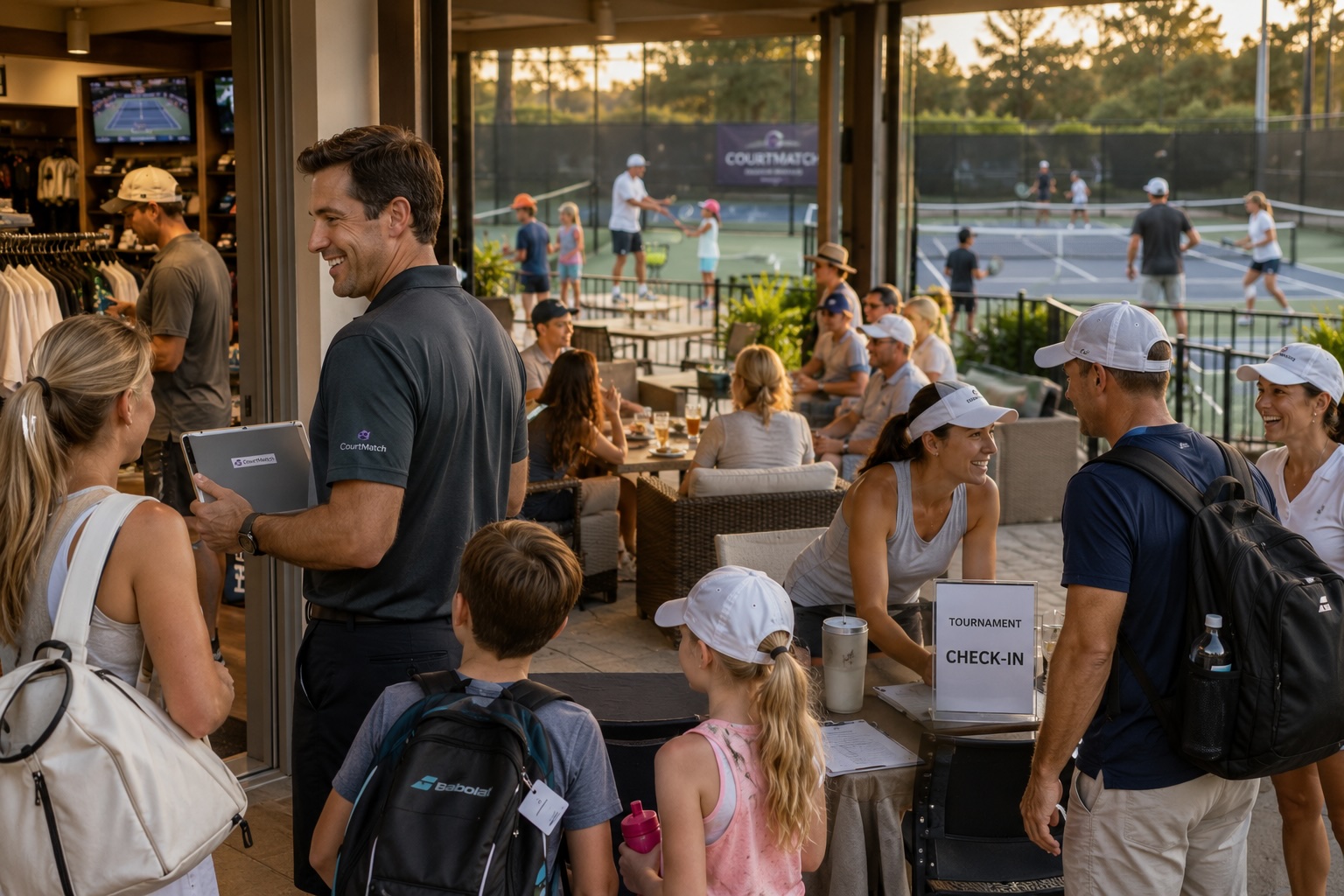
Revenue Follows Engagement: Building a More Sustainable Club
Financial Growth Starts With Creating More Value
When clubs discuss financial sustainability, the conversation often revolves around attracting more members or increasing dues. While both can contribute to growth, they're only part of the equation. The most financially successful clubs tend to share a different philosophy. Rather than asking how they can generate more revenue, they focus on creating more value for their members. The result is that revenue grows naturally alongside participation. Members who are actively engaged don't simply maintain their memberships. They take lessons, join leagues, play in tournaments, attend social events, bring guests, purchase merchandise, and spend more time at the club. Financial growth becomes the outcome of a thriving community rather than the objective itself. This approach benefits every type of organization, whether it's an HOA, municipality, member-owned club, country club, or dedicated racquet facility, because it aligns the club's success with the member experience.
Every Member Creates Value Differently
One of the biggest mistakes organizations make is viewing members through a single lens. Not everyone joins for competition, and not everyone wants the same experience. Some members enjoy weekly leagues, while others prefer casual social play. Some invest heavily in lessons and clinics, while others participate primarily in tournaments or community events. Families may spend years involved in junior programs before becoming active in adult leagues, while newer players often begin with introductory clinics before gradually expanding their participation. The healthiest clubs recognize that there isn't one ideal member journey. Instead, they create multiple pathways for engagement, understanding that every additional connection a member makes to the club increases both their long-term value to the organization and the value the organization provides to them. Revenue diversification isn't achieved by creating more things to sell. It's achieved by creating more opportunities for members to participate.
Every Court Hour Is an Opportunity
Courts are among the most valuable assets any racquet facility has, but their value isn't determined simply by whether they're occupied. It's determined by what happens on them. A court reserved for casual play creates value. A beginner clinic may introduce new players who become lifelong members. A league match strengthens relationships between participants. A tournament creates excitement throughout the community while increasing participation in future events. At the same time, successful clubs understand that not every court should be programmed. Members also value flexibility and open play. The challenge is finding the right balance between structured programming and unrestricted access so that facilities remain both vibrant and welcoming. Organizations that understand how their courts are being used are far better equipped to make decisions that improve both the member experience and the long-term health of the club.
Better Decisions Come From Better Visibility
Many programming decisions are still made based on assumptions, tradition, or the opinions of the most vocal members. While feedback will always be important, it becomes much more valuable when combined with objective participation data. Which clinics consistently have waiting lists? Which leagues attract the highest retention? When are courts underutilized? Which events generate new participation, and which ones have gradually lost momentum? The answers to these questions help clubs invest their time, resources, and court space where they'll have the greatest impact. As organizations grow, having a connected view of court utilization, programs, lessons, events, and member participation becomes increasingly important. It allows leaders to identify opportunities they might otherwise miss while making decisions that are both financially responsible and member-focused.
Strong Communities Build Strong Businesses
It's easy to think of member engagement and financial performance as separate goals, but they're deeply connected. Members who feel engaged become advocates for the club. They introduce friends, volunteer for committees, participate in more activities, and contribute to the sense of community that attracts future members. Those behaviors create a positive cycle where stronger engagement leads to greater participation, which in turn supports healthier financial performance. Revenue is no longer driven primarily by dues. It's driven by a community that continues finding new reasons to come back.
Final Thoughts
The clubs that thrive over the next decade won't necessarily be the ones with the largest facilities or the lowest prices. They'll be the ones that consistently create experiences their members value. When people feel connected, challenged, welcomed, and engaged, participation naturally increases. Financial performance follows because members are choosing to spend more of their time, and often more of their money, doing the things they already enjoy. Sustainable growth isn't built by asking members for more. It's built by giving them more reasons to come back.